
What’s cold is cool, and the cooltech™️ boom
Hi from the Winter Olympics!!

Hello everyone. I am in Milan, and my weekend agenda comprises… the Olympics! By the time you read this, I’ll have seen the ice hockey, and today, I’m watching the ice skating doubles. I am so excited…
This week’s letter is a brain dump of swirling thoughts; apologies in advance for the diverging threads. The major themes are Olympic fits, the extreme cold, performance materials, and fitness/sport as travel. Read to the end to revisit the arctic expedition I did in Norway in 2022 with a week’s notice—without ever having skied before.
I almost cried watching the BBC news the other day. Not because of the headlines or the British weather forecast, though both would be justified for very different reasons. But because the ice skating doubles were being live streamed. The costumes, the music, the choreography, the timing, the performance… There is so much mastery and poetry in the movement. To me, this type of external expression is special; every limb, every spin, and every head turn have to perfectly sync with music. It’s muscle memory, plus actual memory. You have to remember your routine.
Ice skating costumes are much more expressive than most sports. It’s among the few Olympic sports where athletes get to wear something individual; gymnasts all wear the same leotard. Each ice costume, like in ballet, reflects the music they are moving to. Growing up, I danced for 12 years; even as an amateur, for stage performances, I wore different costumes for each of my routines. I owned catsuits and flowy dresses and sparkly leotards and tutus; my grandma would hand-dye my satin ballet shoes to match. I’d think about the colour and heel height of my tap shoes for my outfit; what type of tights to wear; what accessories; how to style my hair. It’s similar to how amateur runners approach race day today. It’s effort, intention, and creativity. Skaters are fortunate in this respect.
I’ve always been interested in what makes aesthetic sense within sport. Understanding the coherence of costuming was required in dance, so I think it’s why I pay so much attention to what people wear to exercise. Every type of workout has its own signals. Whenever I see a bun today, I immediately think: ballet. This week, I’ve been wear-testing Literary Sport’s running cardigan and it also reminds me of ballet. It’s going to become my Pilates staple. The other day, I wore it to the gym and my vibe felt off. The gym is not a place for a cardigan.
A lot of sports gear today lives in the same world, practically speaking. The length of shorts and shoes differ, but there’s a common thread. The fabrics are nylon; tops are usually tanks or T-shirts. Gear needs to wick sweat, enable movement, and be lightweight. Football and basketball and running and tennis each have a different spirit and silhouette, but it’s often a matter of hemlines, colour and fit.
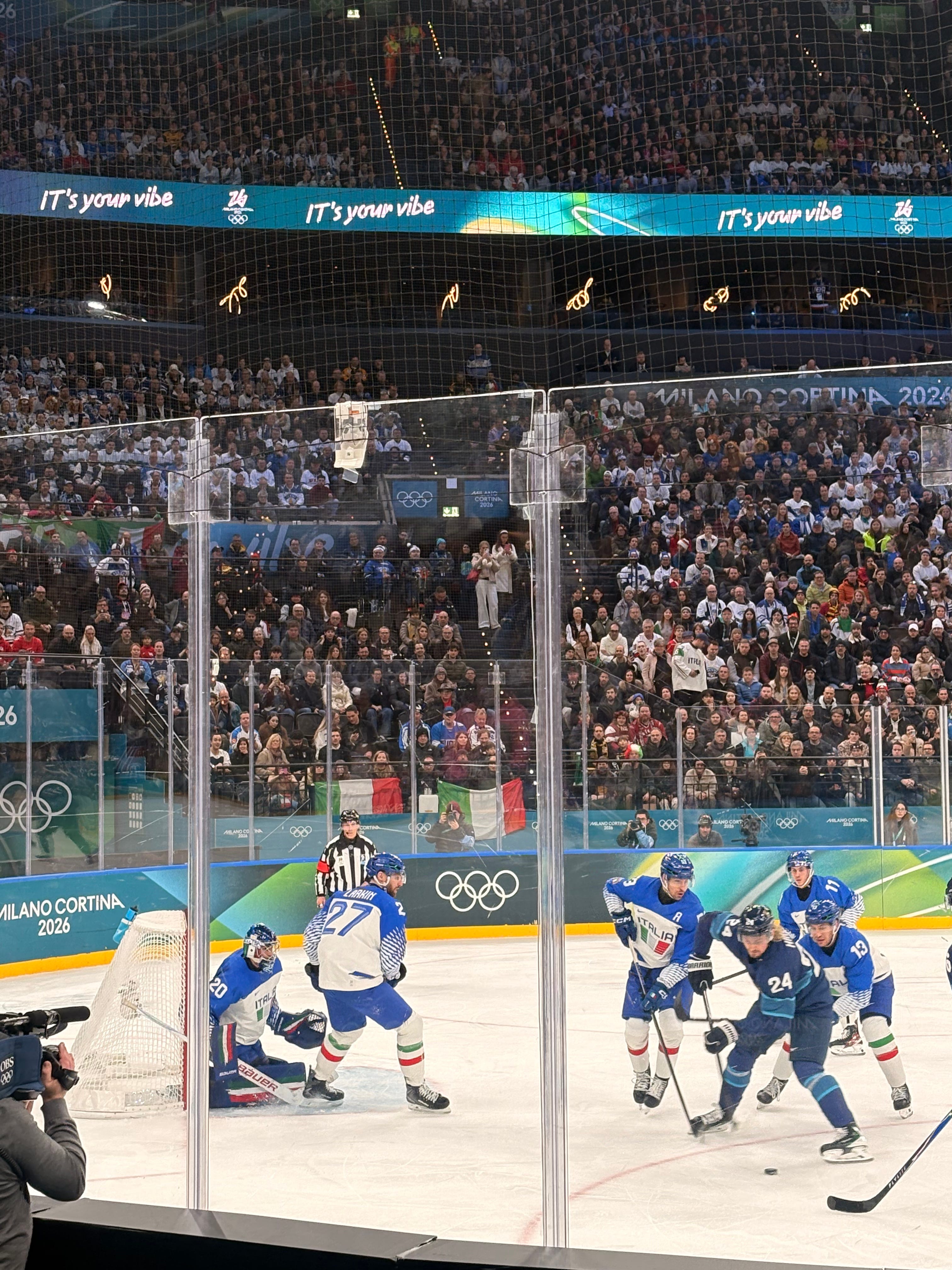
The same cannot be said for the sports in the Winter Olympics. There are so many variables depending on the conditions. There are insulated snow suits and aerodynamic speed suits and sparkly leotards; the thermal scale goes 1-100. Yesterday, I watched Italy get slayed by Finland in ice hockey, and noticed that the players’ shorts were heavily padded for protection. They’re like puffer jackets for your legs, except with cooling fibres to regulate body temperature and wick sweat.
The hot/cold extremes found in ice hockey and Winter Olympic gear will become more relevant to our own wardrobes in years to come. As climate change continues to disrupt our natural seasonality—with the enduring cold snaps and snowstorms sweeping the U.S. an easy example—gear for outdoor sports, and life, is going to have to work harder for us.
Yesterday morning, I went to the HQ of Thermore, one of Italy’s leading eco insulator specialists; the company supplies Portal, Armani, and Big Rock Candy Mountaineering, etc. I stood in front of a heat camera wearing my Portal jacket, and saw it lost no heat because it’s made using ‘sheet’ insulation, instead of ‘padding’—like an A3 piece of paper versus paper cut into strips. Others were wearing puffers with horizontal quilting. Those lost quite a bit of heat around the pockets and across every quilt seam. I wondered why most jackets were quilted when they were less performative, so I asked. It’s mostly for fashion. Quilting was necessary for goose down insulation to ensure jackets maintained their internal structure, but since most brands have moved to eco, the quilts are no longer required.

My Portal jacket on the Thermore heat cam.
However, quilting does enable you to roll up outerwear into small, packable pouches. One of my favourite things that I own is a Uniqlo sleeveless puffer vest. It’s super slimline but it’s so warm, and I often wear it as an extra layer when I’m running. It also folds up into my pocket. Recently, I’ve been wearing my hand-embroidered Nike gilet, which has sheet insulation. It is warmer, but it takes up more space, so I wouldn’t pack it on a trip.
The Thermore team thinks that garment adaptability and ease of layering is going to be key. Temperatures swing like a pendulum these days. One of the best bits of gear I’ve seen in terms of functionality is a Lululemon sleeveless gilet. It has two detachable layers for customised warmth; it also has a detachable insulated hood, which is a really nice touch. Most gilets do not have a hood, which I find annoying. I haven’t seen that many garments on the market with this level of customisation—they’re way more expensive to design and produce, so it’s understandable. But I do think they’re the future. Nike’s inflatable ACG technology, given to its Winter Olympic athletes, is also an interesting proposition. Run with a deflated vest/jacket, and blow it up when you’re waiting in line for your post-run coffee? Sounds ideal.
I think running will continue to borrow ideas from outdoor gear, and incorporate them into their brand world and language. Take Gore-Tex and Vibram and so many other popular technologies that have wound their way into mainstream running. These tags are now so coveted, they’ve become brands themselves. These tags are a status symbol of premium performance for gear fanatics.
All this thought of icy exercise, performance, puffer jackets, and cold weather necessities got me thinking about an arctic expedition I did in Norway for work some years ago; I brought it up in a conversation I had this week, and the trip has been on my mind since.
I went to Finse in Norway to do a four-day Antarctic-inspired expedition as a virgin skier. (Actual lol.) It wasn’t a press trip, but a buyable package holiday organised by Shackleton, a London-based outerwear and knitwear brand. The PR team had tried pitching me the gear, but truthfully I wasn’t too excited by it. Upon browsing the Shackleton website, however, I discovered the brand was also basically a travel agent—they offered these insane, arctic challenges that were a huge commitment in time, energy and expenses.
I was sold, so I pitched the brand-turned-travel-agent angle instead. This became a travel story. It was super compelling to me because, in a competitive outdoor market, they decided to offer experience as a differentiator. Other outdoor/cold weather now brands do the same. Norrøna offers discovery trips in Svalbard, ski tours in Norway and hiking trips to Colombia. Snow Peak has a campsite just outside Portland.
As yet, running brands haven’t delved into this level of brand immersion. Branded races are as far as they go. However, sports tourism is on the up. The Olympics are always proof, and there are a lot of Americans in Milan. But we now also travel for our own sporting endeavours; we run marathons or race Hyroxes in different parts of the world and turn it into a holiday. So much so that Hyrox is launching a cruise ship this year. I really want to go and report it as a travel story; if my editors are reading this and are interested, hit me up. There’s also a boom in small, organised running retreats to far-flung places like Patagonia.
I’m convinced running brands could offer trips/experiences moving forwards as a means of true community intimacy and unparalleled brand immersion. Think Satisfy’s The Ranch, except for the fans. Each retreat would be unique based on the brand ethos. District Vision’s would include meditation, sound baths and chatty jogs, hosted in a midcentury cabin in the mountains somewhere. Tracksmith’s retreat would include marathon block programming, with 6am daily runs and guests sleeping in a quaintly preppy New England cabin; there’d perhaps be smores on a bbq after-hours and a trip to the fairground. Pruzan’s would include lots of lifestyle adjacency—jogs and Pilates, maybe jewellery making, palm readings, natural wine and intention setting. Brands could use these trips for customer feedback and wear-testing forthcoming releases.
Ok, perhaps now I’m just manifesting my travel aspirations... But in this online era, when everyone and everything is fighting for our attention, it would be a meaningful way of creating not just an analogue experience, but enabling forever memories.
For now, I’ll leave you with a revisit of my Norwegian expedition. Stay warm out there.
If you’d rather read it on the FT site, you can click here.
In Shackleton’s footsteps – a polar adventure
A new tranche of adventure holidays in honour of the explorer offers one-in-a-lifetime thrills – and tear-inducing chills.
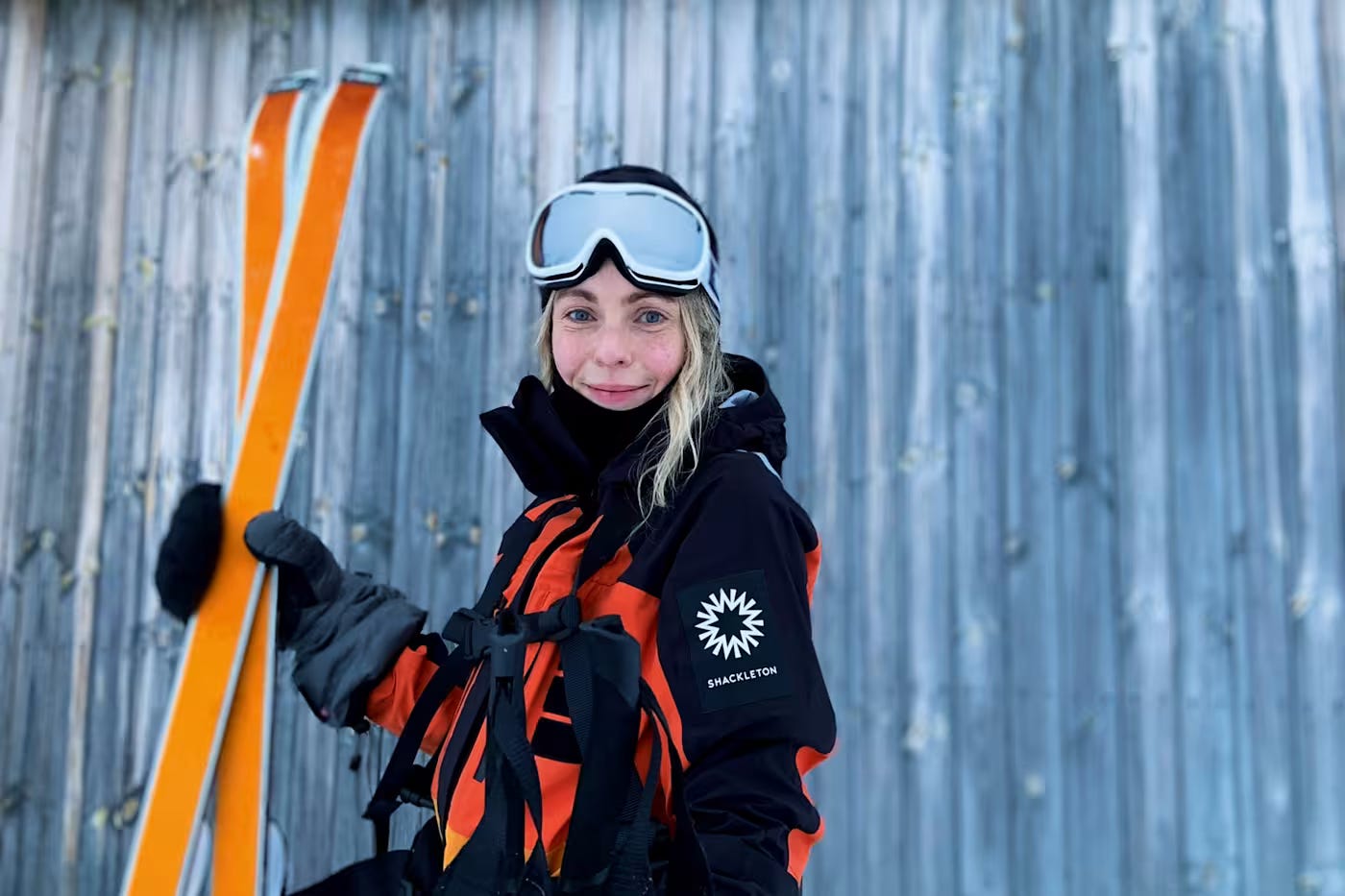
By Grace Cook. Published Aug 31 2022.
I wake to the sound of the wind. It rustles, reminding me of a lonely carrier bag that’s been caught in a gust as the sound flaps violently around my head. As my senses focus, I’m momentarily disorientated by the flame-red tinge of the dawn light; my breath is visible, and my face is cold. Then I remember that I’m in a tent, up a mountain in the wilderness near Finse, western Norway, where overnight temperatures plummeted to a gnarly -15°C.
Before I can romanticise this fact, my alarm goes off. Ten minutes later, after getting dressed within my sleeping bag (to trap body heat; it’s as difficult as it sounds), I’m sitting in the mess tent vestibule on breakfast duty. My frozen hands light the stove and shovel snow into a massive metal kettle; I wait for it to melt, then boil. Outside a blizzard is swirling, but for now coffee and freeze-dried porridge are on the agenda.
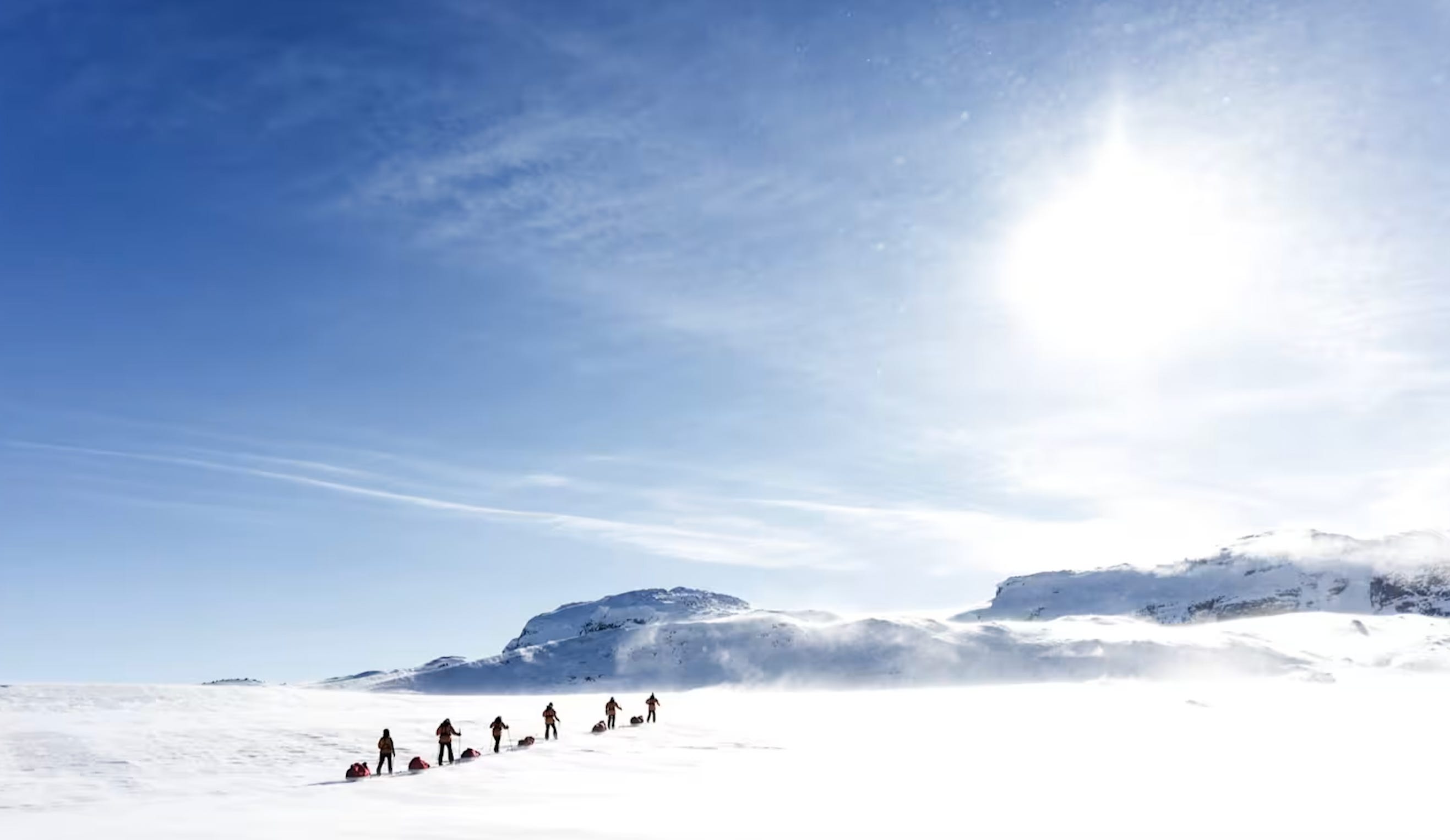
“A hot meal is the one thing to look forward to on an expedition,” says Wendy Searle, a publicist turned hardened polar leader who, in 2020, skied solo to the South Pole; last night, she slept in the tent with me. The day prior, Searle and Louis Rudd – a former arctic warfare instructor and SAS soldier who’s now a renowned endurance athlete, and who has shepherded British Army reservists across Antarctica – led our four-strong team of keen polar amateurs as we cross-country skied for seven hours; each of us was laden with our own equipment, overnight supplies and numerous down jackets in a six-stone pulk.
If it sounds intense, it was. That’s the point: Searle and Rudd are giving us a four-day taster of their ice-cap adventure with Shackleton, the London-based clothing brand that has effectively turned travel agent. This year, it unveiled Shackleton Challenges, an in-house polar training programme created in homage to Ernest Shackleton, the brand’s namesake Antarctic explorer who died attempting to circumnavigate the white continent 100 years ago. Those looking to channel his pioneering spirit can test their own mettle with one of the brand’s multiday expeditions. Led by Rudd and Searle, Shackleton – founded by Ian Holdcroft and Martin Brooks – currently offers icy treks across Antarctica and Iceland’s Langjökull glacier, as well as Norway and the Alps; next year, they’re hosting a 40-day trek to the South Pole.
The launch chimes with peaking interest in polar travel, where hard-to-reach landscapes, sub-zero temperatures and snowy, desolate vistas offer an extreme disconnection from everyday life. Demand for adventure yachting down the Antarctic Peninsula is up 400 per cent at boat charter specialist Pelorus, while Cookson Adventures has seen a host of new customers requesting bespoke sailing trips to remote snowy regions – popular activities include paddling iceberg-strewn waters and whale spotting in a kayak.
For others who might prefer to cruise along the Antarctic coastline, Swoop and Quark Expeditions both offer the chance to spot penguins and seals from the comfort of a cabin. Swoop says its action-packed itineraries – traditionally the preserve of retirees with time and funds to spare – which include kayaking and snorkelling, are attracting younger clients. “Social media has driven awareness of the real possibility of getting [to extreme places] they’ve grown up seeing on David Attenborough documentaries,” says Lizzie Williams, a product and partnerships manager at Swoop.
Former banker Henry Cookson founded Cookson Adventures in 2009 after completing treks to the North and South Pole. “People are more curious about seeing the wonders of our planet; we’ve realised that we don’t have infinite time so there’s a genuine desire to do something extraordinary.” Pelorus’s Geordie Mackay-Lewis agrees: “The days of a fly-and-flop holiday are done.”
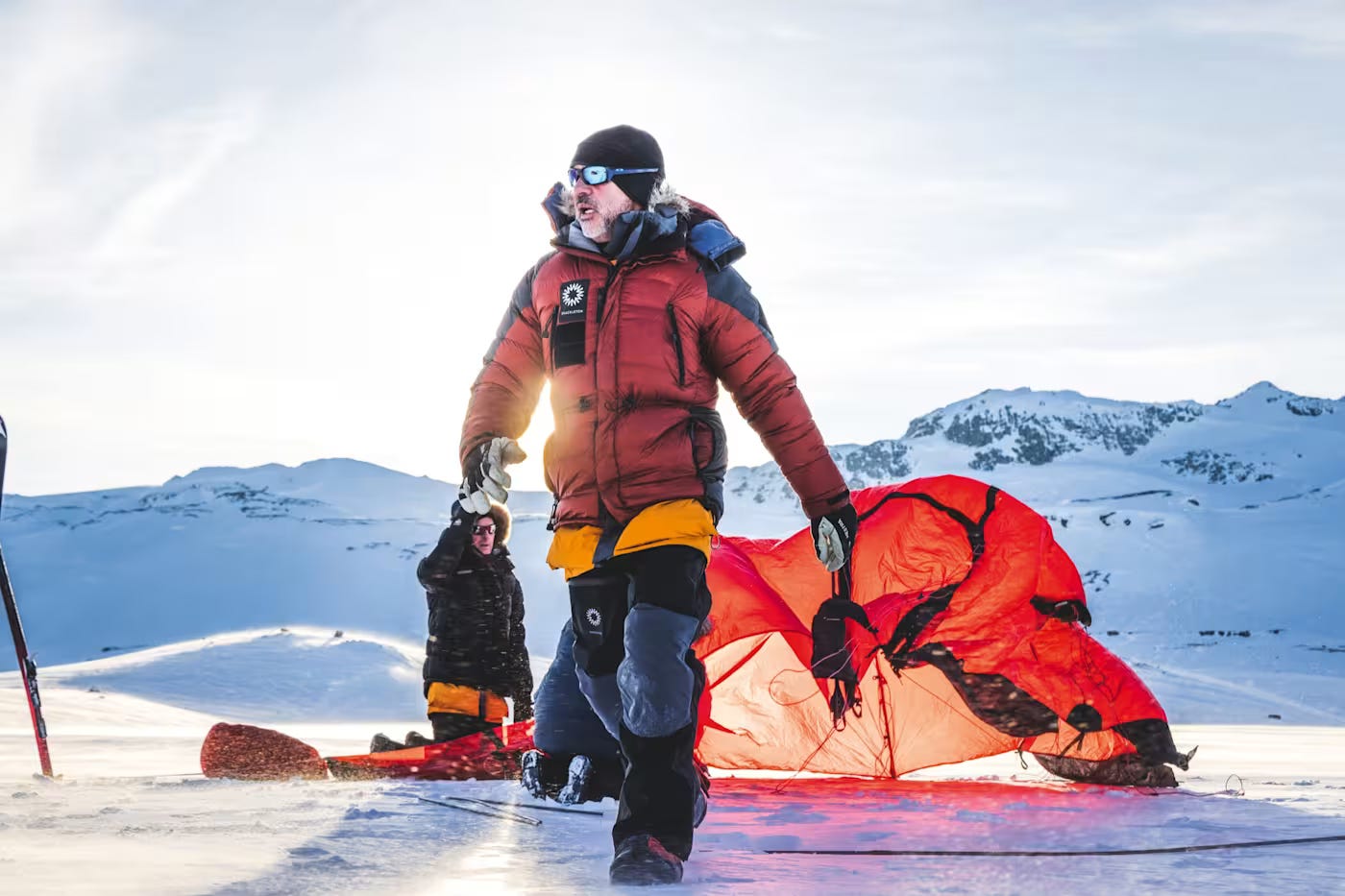
Louis Rudd, the former SAS warfare instructor and Antarctic explorer. He took over my pulk at the very very end, because my energy reserves were zero.
A polar adventure is the antithesis. And a Shackleton challenge is not one executed on a whim. Attendees are given a six-month mental and physical preparation plan; the extensive personal kit list includes merino-wool base layers, balaclavas and bottles for urinating. Then there are preparatory webinars with Rudd and Searle. “It’s intimidating if you’ve never done anything like this before,” says Rudd, who joined Shackleton in 2019 after retiring from the Army. As well as curating the trips, he also wear-tests the brand’s clothing – everything from pocket placement to zipper construction has been given his seal of approval. The trips, he says, are “physically and mentally demanding… it’s a real journey into your own mind”.
I can attest to that. Expeditioners are thrown out of their comfort zones – dealing with the hostile cold is a feat of endurance in itself. Ranulph Fiennes, who cut off his own fingers after getting frostbite, told me his treks were like “hell on ice”. During the five days I spent with Rudd and Searle, I laughed a lot, but I also cried. A lot. “As human beings, we like to push ourselves,” says Shackleton co-founder Holdcroft, who has rowed the Atlantic and often competes in ultramarathons. The challenges offer both endorphins and experience.
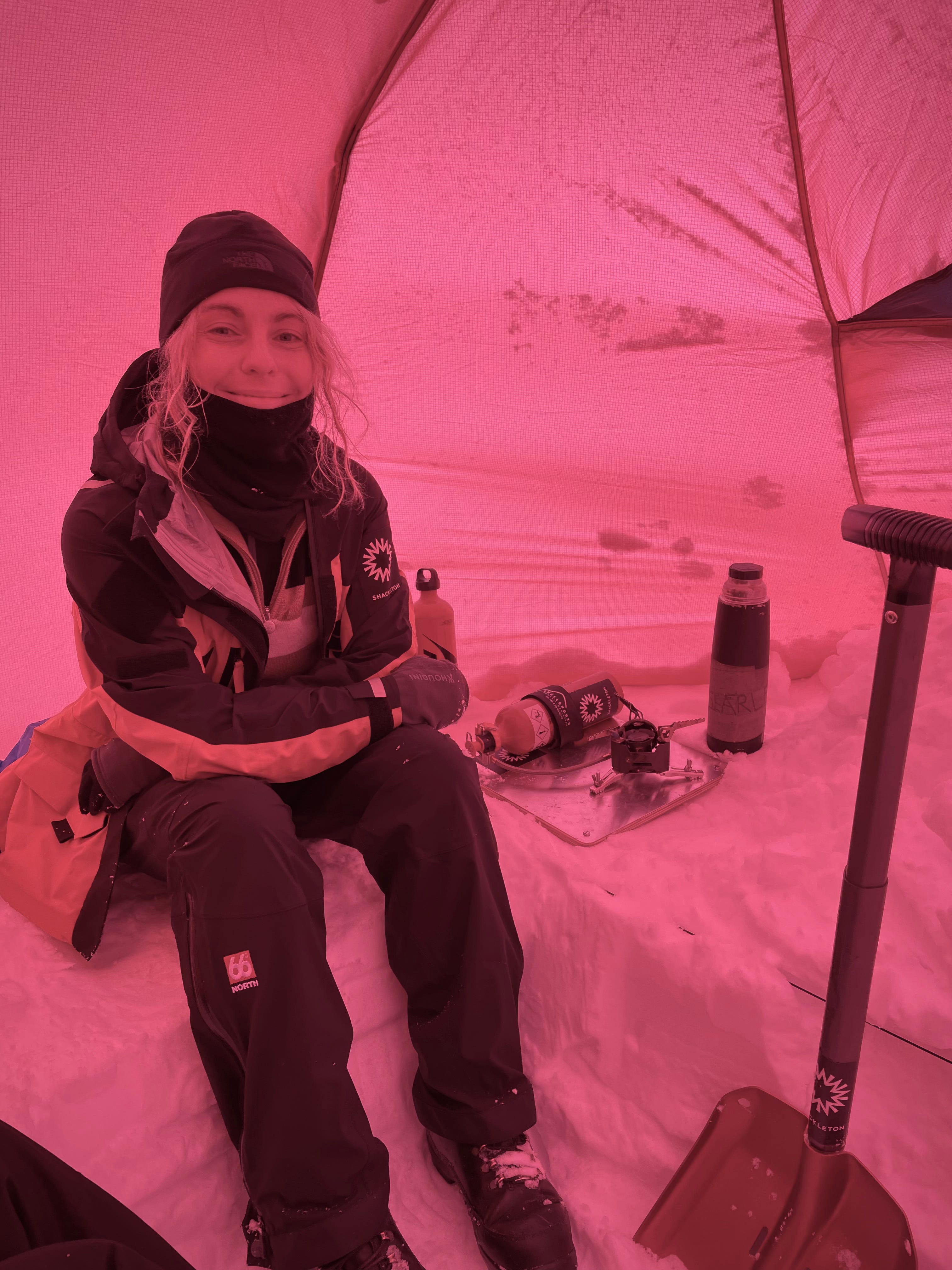
The mess tent vestibule. I dug this hole all by myself.
Access to experts is a further draw. One member of my group, a thirtysomething investor from Mexico, booked onto the trip after reading Rudd’s autobiography, Endurance, in lockdown; he later likened being on the ice with him to “learning how to play basketball with Michael Jordan… You can’t get this anywhere else.”
For any company today, experience is everything. “As a startup, we were going up against billion-dollar, mass-produced outdoors brands and trying to stand out, so we came up with this idea of ‘For the Challenge’,” says Shackleton co-founder Brooks, a former advertising executive. Their jackets and gilets are crafted in Italy using fully recycled performance fabrics. “We’re building a label that can offer customers the whole spectrum: from a merino hat right through to a life-changing adventure in the South Pole.”
The Shackleton name alone sells the ethos. “We knew it would communicate a meaning and purpose beyond the functional aspects of any product,” says Brooks, and Alexandra Shackleton, the explorer’s granddaughter, has joined as a patron and shareholder. Ernest Shackleton’s ship Endurance sank in 1915, and he managed to rescue all his crew before they perished. (In March, after a much-publicised search, the wreck was discovered at the bottom of the Weddell Sea.) It’s one of the most spectacular survival stories in maritime history – Harvard Business School teaches Shackleton-inspired leadership courses. There’s even a moon crater named Shackleton, which lies on the lunar South Pole.
Now Tom Hardy is reportedly starring in a film about him – and Alexandra Shackleton is delighted. Having spent her entire professional life talking publicly about his legacy, she’s a tad blasé when discussing the Antarctic icebergs or the man himself, but she’s gleeful when it comes to Hardy. “I might even get to meet him,” she says. “Years ago I’d have suggested Paul Newman.”
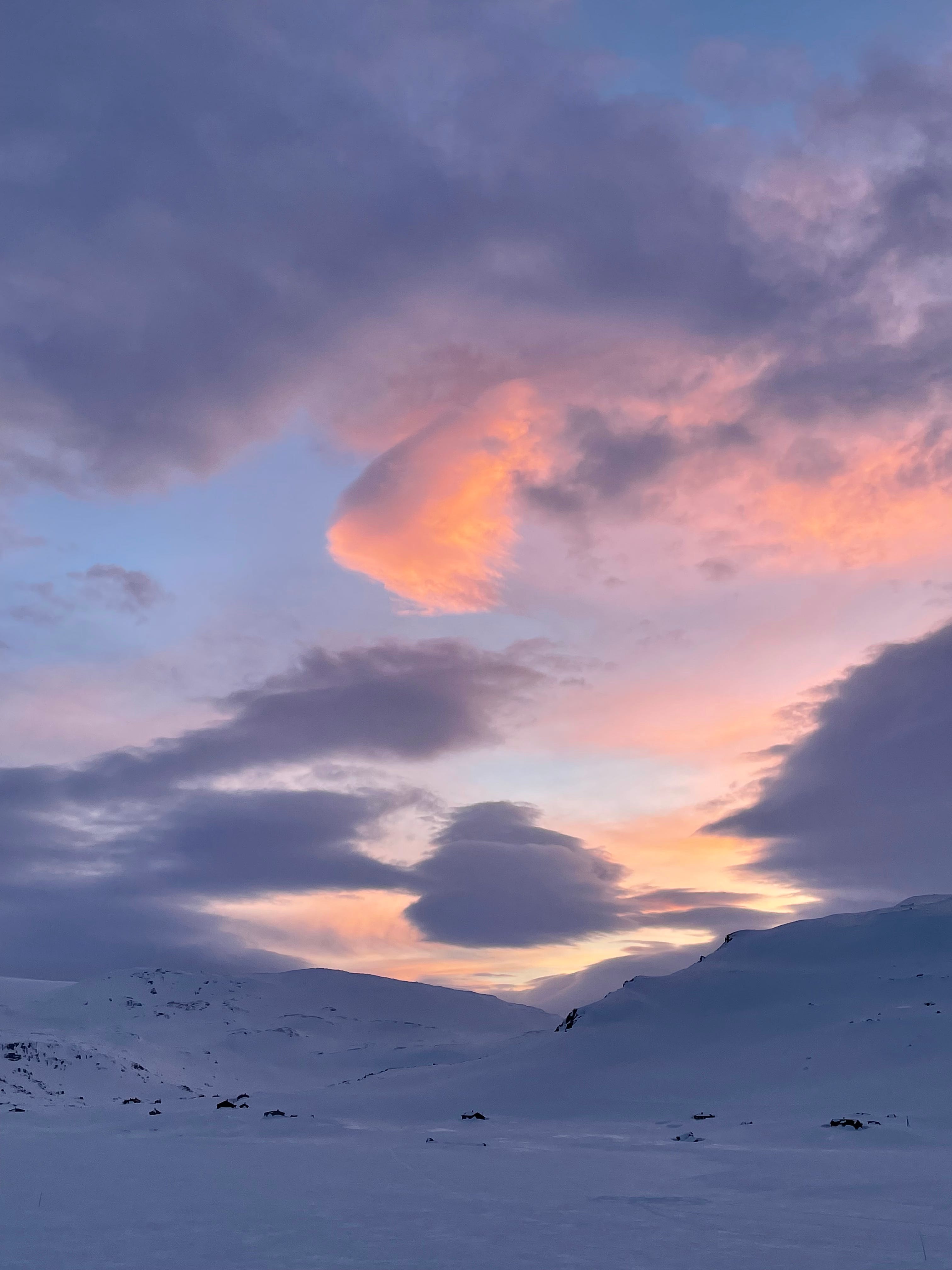
Ernest Shackleton was all about discovery. And today, nothing feels quite so novel as the solitude found in the icy wilderness. “There’s a beautiful simplicity to it,” says Cookson. “You really get time alone with your thoughts and to have meaningful conversations. The pressures of modern life are just removed.” In Finse, we get to grips with the skis and pulks by training on the vast flat of a frozen lake that sits on the cusp of a glacier. With each hour that passes, the changing light turns the ice varying shades of mauve, pink and grey; 4pm is known as the blue hour, when the whole expanse basks in a cool, pastel tinge. It’s dazzling and otherworldly, even through a pair of steamy ski goggles. “On a sunny day here you really feel like you’re in heaven,” says Searle. “A polar environment is raw, unspoiled and just huge.”
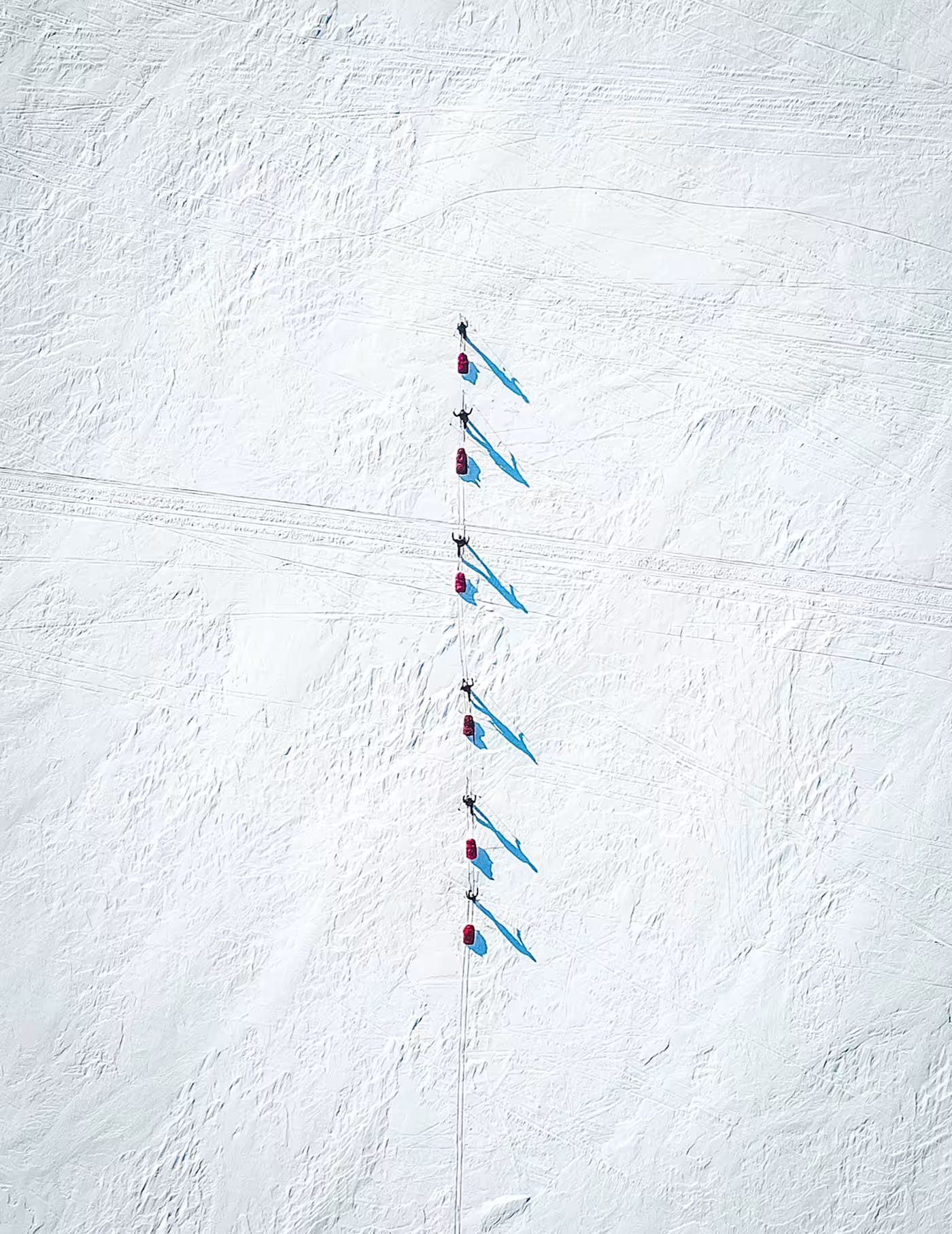
You have to ski in this formation in case of craters. It’s so silent. You are alone together—all you can hear is your own skis.
That humbling feeling leaves some visitors wishing to protect it. Brooks and Holdcroft have this year launched the Shackleton Medal – a £10,000 prize fund to protect the Polar regions. Pelorus and Cookson Adventures, meanwhile, take a scientist on most excursions, with clients contributing to the financial outlay. “It amplifies the experience because they’re giving back,” says Pelorus’s Mackay-Lewis.
I’m about to push my own boundaries to the limit. Breakfast is over, the tent’s been dismantled and we’re in the whiteout wilderness. The wind whips like a leash, and the cold feels as if it’s puncturing my lungs from the inside out. We cross desolate terrain made famous in Star Wars; with the help of a compass and some birch sticks denoting a route, I’m leading the group downward in single file, but with visibility at barely even a metre, I feel as far away from real life as if I had really landed on the remote, snowy planet of Hoth. My deadweight pulk careers into me, knocking me off my skis for the 100th time. I cry again; disentangle myself again; push myself to my feet again. I think of Ranulph Fiennes, wishing I had the energy to scream that, yes, this really is hell on ice. Somehow I carry on.
Eventually, we’re back at our base camp, Hotel Finse 1222, sitting on plush, cushion-strewn sofas beside a roaring fire. Gin and tonic in hand, I’m disorientated, elated, exhausted – and immediately tipsy. High on adrenaline and fuelled by botanicals, I decide, as I stuff a packet of salty crisps into my dehydrated mouth, that it was probably the best experience of my life so far. The ice crystals in my hair quickly melted, but my sense of personal polar pride remains at a plateau. By endurance we do conquer, it seems.
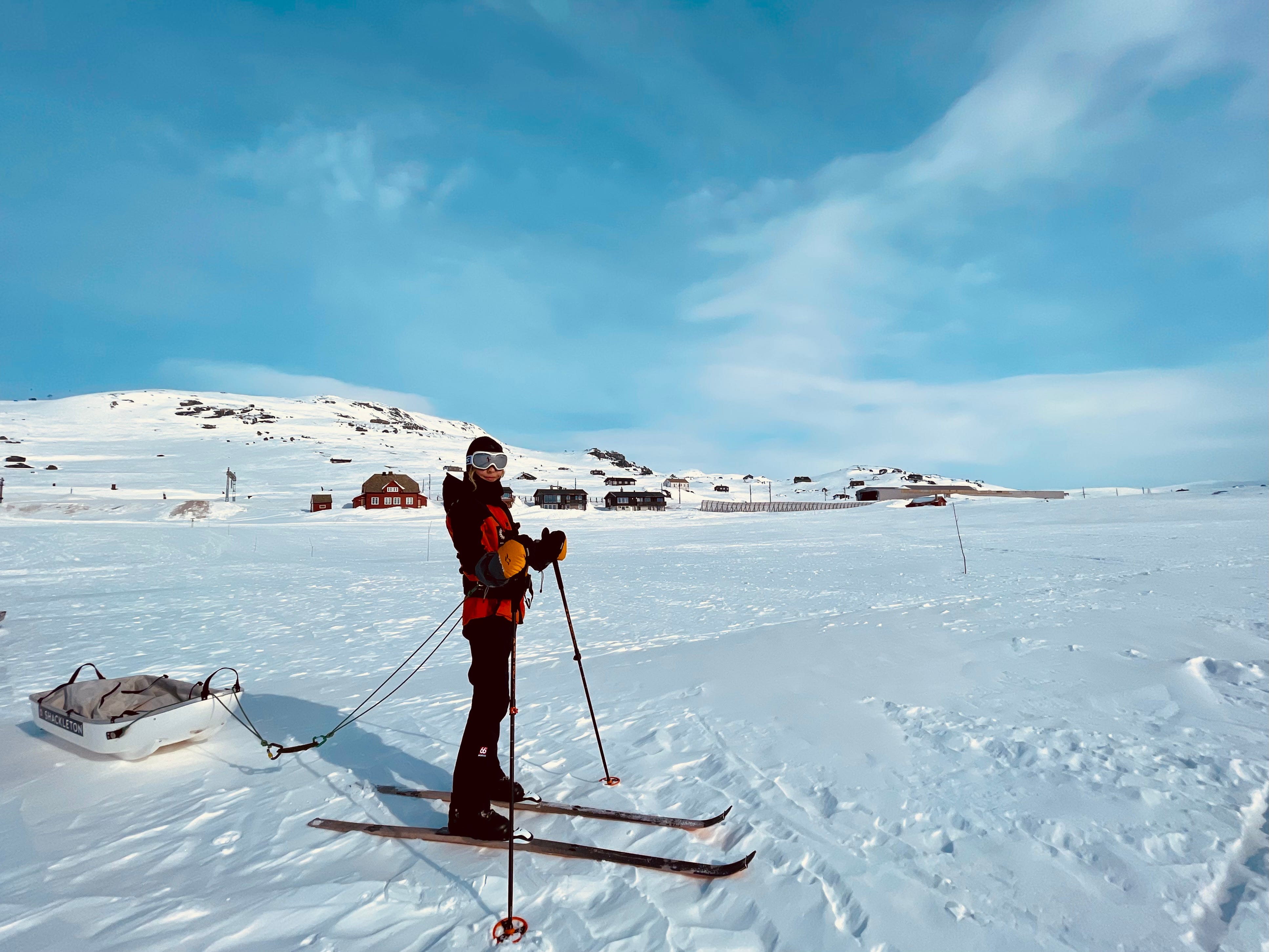
Reading it again Grace really makes me wonder how on earth you found the stamina to do it. Cx mazza cx
The cycling world has completely taken to organised trips as experiences (according to my Insta feed anyway), I guess it's mostly to iconic hill climbs as seen in the Grand Tours. Maybe road running doesn't have the same visual appeal? Trail running holiday adventures anyone?